
What Is Dhokra Art? A Guide to India’s Ancient Metal-Craft Tradition
Discover the timeless beauty of India’s handcrafted metal art, where ancient traditions meet modern elegance.
Have you ever come across a beautiful piece of brass jewellery or a handcrafted metal figurine and wondered about the story behind it?
Imagine an artisan sitting in a small workshop, carefully shaping delicate strands of wax into intricate patterns. With patient hands, generations of inherited knowledge, and the transformative power of fire, a simple idea becomes a stunning piece of metal art.
This is the fascinating world of Dhokra art—one of India’s most treasured traditional crafts.
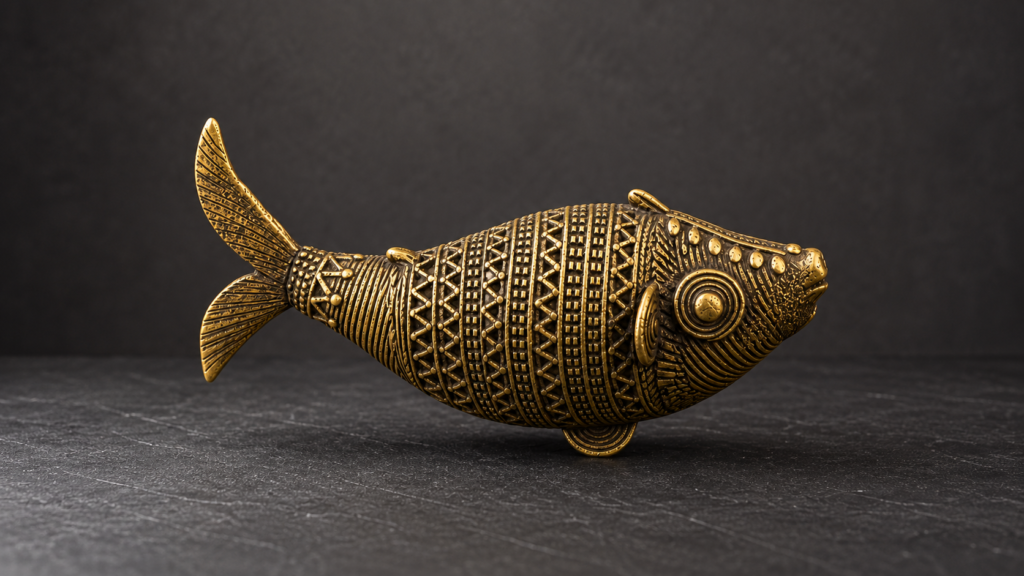
Unlike mass-produced decorative pieces, Dhokra creations carry the distinctive touch of skilled artisans. Their textured surfaces, earthy metallic colours, and intricate designs reflect a craft tradition that has survived for generations.
At LoomiQ, we believe that every handcrafted creation has a story worth telling. Through our collection of heritage-inspired jewellery and home décor, we celebrate the beauty of Indian craftsmanship and the hands that keep these traditions alive.
Let’s explore the history, artistry, and enduring charm of Dhokra.
What Is Dhokra Art?
Dhokra art, also spelled Dokra, is a traditional Indian metal-casting craft that uses an ancient technique called lost-wax casting.
This remarkable technique allows artisans to transform wax designs into detailed metal objects, including sculptures, jewellery, decorative figurines, and traditional artefacts.
The process involves creating a form using clay and wax, covering it with a mould, melting away the wax, and replacing the empty space with molten metal.
Once the metal cools, the mould is broken to reveal the finished creation.
What makes the craft extraordinary is its handmade nature. Traditional Dhokra pieces are created through individually prepared moulds, resulting in unique variations in texture, shape, and detailing.
Dhokra art is especially admired for its:
- Beautifully textured metal surfaces
- Intricate patterns and decorative details
- Traditional animal, human, and nature-inspired motifs
- Earthy brass and bronze tones
- Rich connection with India’s regional craft heritage
Every piece reflects the creativity, patience, and skills of the artisan who made it.
The Fascinating History of Dhokra Art
The history of Dhokra is closely connected to the ancient practice of lost-wax metal casting.
Evidence of lost-wax casting in the Indian subcontinent dates back thousands of years.
One of the most celebrated early examples is the bronze Dancing Girl discovered at Mohenjo-daro, an important archaeological site of the Indus Valley Civilization.
Although modern regional Dhokra traditions have their own histories and styles, they share a connection with this ancient metal-casting method.
Over time, communities across India developed distinctive approaches to creating handmade metal objects.
Dhokra traditions are especially associated with:
Odisha: Known for elaborate handcrafted metal figurines, ornaments, and decorative objects.
Chhattisgarh: The Bastar region is famous for tribal-inspired sculptures, animal figures, and traditional metalwork.
West Bengal: Artisan communities create expressive figurines, decorative pieces, and ornaments using traditional casting methods.
Jharkhand: Home to communities that have preserved regional metal-crafting traditions.
Telangana: Particularly Adilabad, which is known for its distinctive Dokra metal craft.
These regional traditions share a common foundation while reflecting different artistic styles, cultural influences, and craft practices.
Dhokra is therefore more than an ancient technique.
It is a living expression of India’s artistic diversity.
The rich legacy of Indian tribal craftsmanship is also documented by the Development Commissioner (Handicrafts), Government of India, which highlights the country’s diverse traditional craft practices.
How Is Dhokra Art Made? The Magic of Lost-Wax Casting
One of the most fascinating aspects of Dhokra is the way artisans turn simple raw materials into beautiful metal creations.
The process requires exceptional patience, experience, and attention to detail.
Step 1: Creating the Basic Shape
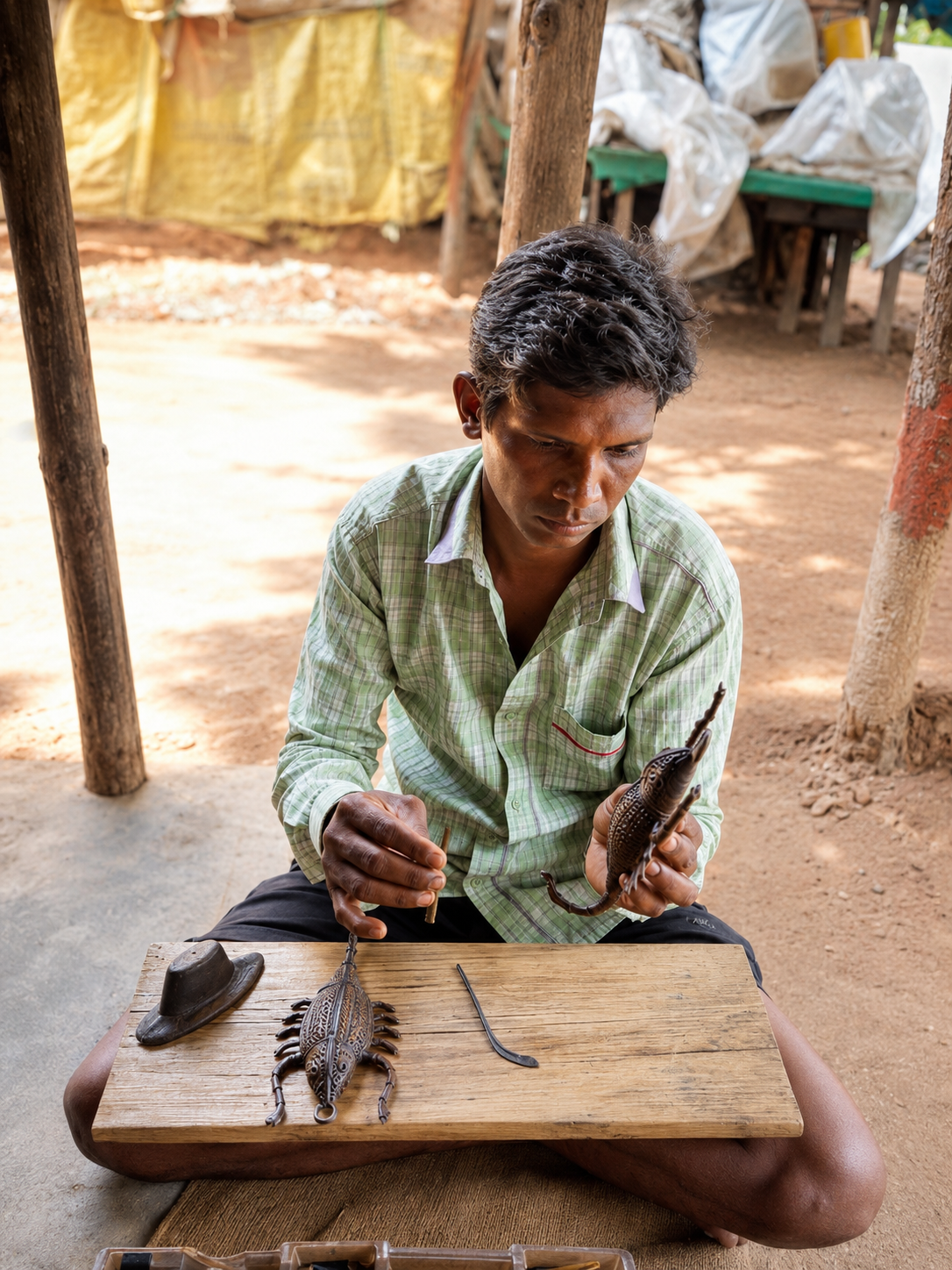
The artisan begins by shaping a clay core according to the desired design.
This forms the foundation of the object.
Whether the final piece is an elephant figurine, a decorative sculpture, or an ornamental object, the initial shape establishes its structure.
Step 2: Adding Intricate Wax Designs
Next, the artisan carefully applies wax to the prepared form.
Thin wax strands may be rolled, arranged, and shaped into decorative patterns.
These details eventually become the distinctive raised textures visible on the finished metal object.
Every curve and pattern is shaped with precision.
Step 3: Preparing the Clay Mould
The wax-covered design is coated with additional layers of clay.
Once dried, the mould is prepared for heating.
The outer structure must protect the delicate details while allowing the molten metal to capture the original wax design.
Step 4: Melting Away the Wax
The mould is heated, causing the wax inside to melt and flow out.
This creates hollow spaces where the wax patterns once existed.
The technique is called lost-wax casting because the wax disappears during the process.
Step 5: Pouring the Molten Metal
Molten metal, often a copper-based alloy such as brass, is poured into the prepared mould.
The liquid metal fills the spaces left behind by the wax, reproducing the original design.
The mould is then left to cool.
Step 6: Revealing the Finished Artwork
After cooling, the clay mould is carefully broken apart.
The metal object inside is cleaned and finished by the artisan.
The final creation reveals the intricate surface patterns and details shaped during the earlier stages.
Because each traditional mould is broken to remove the casting, it cannot be reused to produce an identical object.
Even when artisans repeat a familiar design, subtle handmade variations make individual pieces distinctive.
What begins as clay and wax emerges as a lasting expression of artistry and imagination.
Why Is Dhokra Art So Unique?
In today’s world, where thousands of identical products can be manufactured within hours, Dhokra represents a very different philosophy.
It celebrates individuality, craftsmanship, and the value of handmade creation.
1. Every Handmade Piece Has Its Own Character
Traditional Dhokra art is shaped through a highly skilled manual process.
Small variations in surface texture, form, and detail are natural characteristics of handcrafted production.
These variations are part of the artwork’s appeal.
2. A Perfect Blend of Tradition and Contemporary Beauty
Although Dhokra is deeply rooted in tradition, its artistic appeal feels remarkably contemporary.
Its warm metal tones and expressive shapes complement both ethnic and modern aesthetics.
A beautifully crafted brass figurine can look just as elegant in a minimalist apartment as in a traditional Indian home.
3. Designs Inspired by Nature and Culture
Dhokra objects frequently feature animals, birds, human figures, geometric patterns, and motifs inspired by everyday life.
These designs often reflect the traditions, beliefs, and environment of the communities creating them.
4. An Appreciation for Slow Craftsmanship
Dhokra reminds us that meaningful creation takes time.
Behind a single decorative object are numerous stages requiring attention, knowledge, and artistic judgment.
The result is something very different from ordinary factory-made products.
Dhokra Jewellery: Where Traditional Craft Meets Modern Fashion
Traditional Indian craftsmanship is not limited to home decoration.
It also offers exciting possibilities for personal style.
Dhokra and Dhokra-inspired jewellery combine rustic textures, warm metallic tones, and distinctive forms to create striking accessories.
Whether you prefer understated elegance or bold statement pieces, handcrafted metal jewellery can bring individuality to your wardrobe.
How to Style Dhokra Jewellery
With Cotton Sarees
Pair a handcrafted brass necklace with a simple cotton saree for a timeless, earthy look.
With Kurtas and Ethnic Wear
Statement earrings, chokers, and layered necklaces can add an artistic touch to traditional outfits.
With Contemporary Dresses
Combine textured metal jewellery with solid-coloured dresses or linen clothing to create a stylish Indo-western look.
For Festive Occasions
Bold handcrafted accessories can beautifully complement silk sarees, traditional outfits, and festive attire.
The secret is simplicity.
Let the craftsmanship of your jewellery become the highlight of your outfit.
At LoomiQ, we celebrate jewellery that allows tradition and individual style to exist beautifully together.
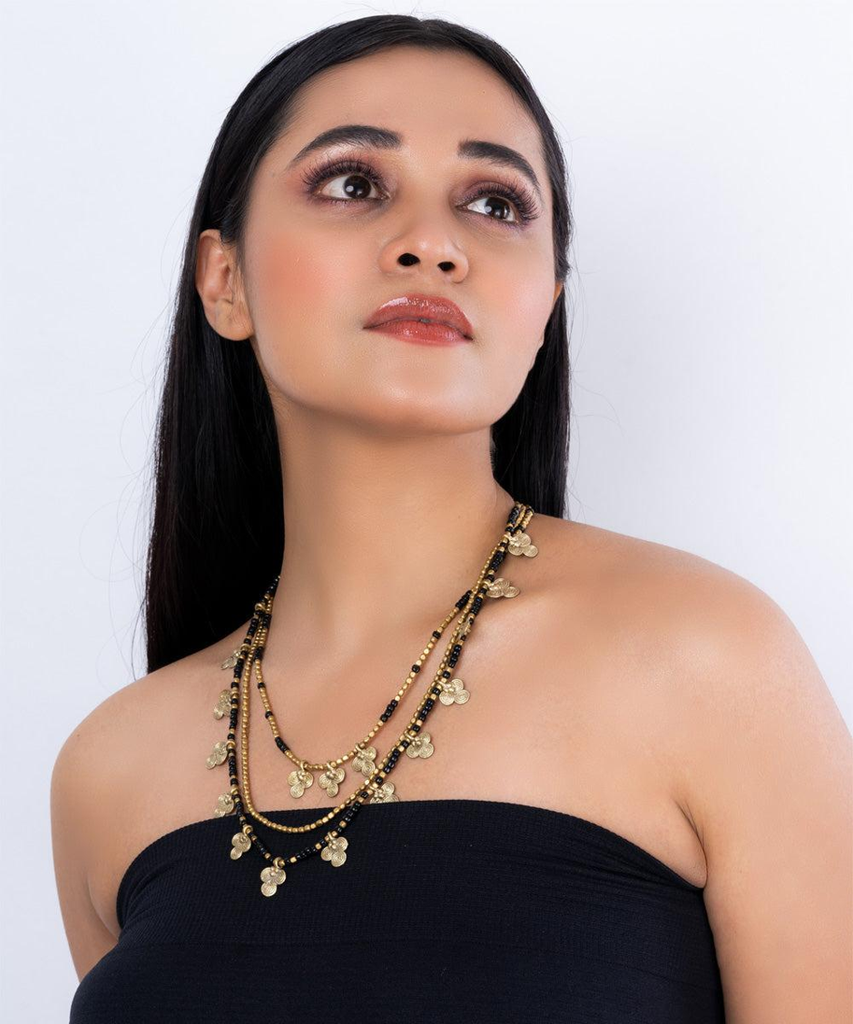
Explore the LoomiQ handcrafted jewellery collection and discover accessories inspired by India’s rich artistic heritage.
Dhokra Home Décor: Bringing Indian Heritage Into Your Living Space
Your home is more than a place to live.
It reflects your memories, tastes, and the things you value.
Thoughtfully chosen handcrafted objects can make ordinary spaces feel warm, meaningful, and distinctive.
Dhokra home décor offers a wonderful way to introduce Indian artistic traditions into contemporary living spaces.
Five Beautiful Ways to Decorate With Dhokra Art
1. Create an Artistic Living Room Corner
Place a handcrafted Dhokra elephant, deer, or traditional figurine on a wooden console.
Its textured surface and warm metal tones can become an attractive focal point.
2. Decorate Your Bookshelf
A small Dhokra sculpture placed between books and plants adds personality without overwhelming the space.
3. Add Heritage to Your Work Desk
A carefully selected miniature figurine can bring warmth and artistic character to your workspace.
4. Enhance Festive Decorations
Traditional handcrafted metal objects can complement festive displays and celebrations.
5. Choose Thoughtful Gifts
Dhokra sculptures and decorative pieces make meaningful gifts for weddings, housewarmings, anniversaries, and festive occasions.
Unlike ordinary decorative gifts, handcrafted objects can carry stories that make them memorable.
At LoomiQ, we believe that heritage-inspired décor creates a connection between traditional artistry and everyday living.
How Can You Identify Authentic Dhokra Craftsmanship?
With the growing popularity of traditional Indian handicrafts, many decorative products feature designs inspired by Dhokra.
However, not every brass-coloured object is necessarily made using traditional lost-wax casting.
Here are a few things to look for.
Examine the Surface Details
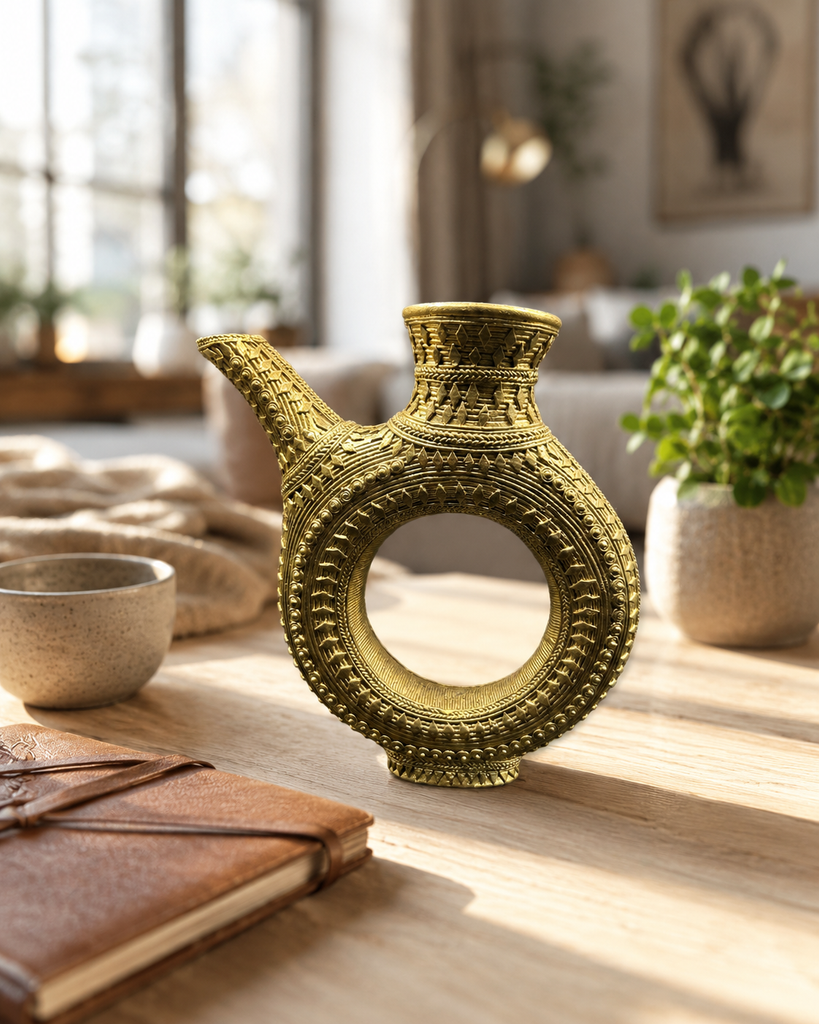
Traditional Dhokra pieces often feature raised patterns, delicate coils, and textured decorations that reflect wax-based detailing.
Look for Handmade Variations
Individually cast pieces may show subtle differences in texture, form, and finishing.
Understand the Technique
Traditional Dhokra craft uses lost-wax casting, rather than simply stamping or assembling identical factory-produced components.
Learn About the Artisan and Region
Whenever possible, explore information about the makers, craft communities, and regional traditions associated with the piece.
Remember that visual appearance alone cannot establish authenticity. Reliable information about the production process is equally important.
How to Care for Dhokra Art and Brass Jewellery
Handcrafted creations deserve a little extra care.
With proper handling and storage, metal jewellery and decorative objects can retain their character and beauty for many years.
Here are some simple tips:
- Clean gently using a soft, dry cloth.
- Avoid harsh chemicals and abrasive cleaners.
- Keep jewellery away from perfumes and excess moisture.
- Store accessories separately to prevent scratches.
- Avoid leaving metal objects in damp conditions.
- Do not aggressively polish antique-finished pieces, as this can change their appearance.
Brass may naturally develop a darker patina over time.
For many people, this ageing adds character to the metal.
Always follow the specific care instructions provided with your product.
Why Supporting Traditional Indian Artisans Matters
Every traditional craft represents generations of accumulated knowledge.
For many artisan families, these skills have been passed down through observation, practice, and shared experience.
Yet traditional crafts face modern challenges.
Mass-produced alternatives, changing consumer preferences, and difficulties accessing markets can affect the livelihoods of skilled craft communities.
Choosing authentic handmade products and learning about their origins are ways to show appreciation for traditional craftsmanship.
When craft businesses work responsibly with artisan communities, they can also help create opportunities for these traditions to remain economically relevant.
Preserving Indian heritage is not only about appreciating the past.
It is also about creating a future in which skilled craftsmanship continues to be valued.
LoomiQ: Celebrating the Beauty of Indian Craftsmanship
At LoomiQ, we believe that beautiful products should do more than simply look attractive.
They should carry meaning.
Our journey began with an appreciation for India’s extraordinary craft traditions and the people who preserve them.
From handcrafted jewellery to Dhokra-inspired home décor and heritage metalware, our collections reflect a love for traditional artistry and contemporary living.
We want to make Indian craftsmanship a meaningful part of everyday life.
A handcrafted necklace can become an expression of personal style.
A decorative figurine can transform a corner of your home.
A thoughtfully chosen gift can create a connection that lasts beyond the occasion.
For us, these objects represent something greater than their material value.
They celebrate creativity, individuality, and the enduring beauty of Indian heritage.
At LoomiQ, we believe every creation deserves to tell a story.
Explore our collections at https://loomiq.co.in/ and discover handcrafted products that bring tradition closer to everyday life.
Frequently Asked Questions About Dhokra Art
1. What is Dhokra art famous for?
Dhokra art is famous for its traditional lost-wax metal-casting technique, intricate handmade textures, and beautiful metal sculptures, jewellery, and decorative objects.
2. Which Indian state is famous for Dhokra art?
Dhokra is associated with several Indian states, especially Odisha, Chhattisgarh, West Bengal, Jharkhand, and Telangana.
3. Is Dhokra art made from pure brass?
Many traditional Dhokra pieces use brass, or other copper-based alloys. The exact metal composition varies according to the product and craft tradition.
4. Why is Dhokra art considered unique?
The traditional lost-wax process uses individually prepared moulds that are broken after casting. Along with handmade detailing, this produces natural differences between pieces.
5. Can Dhokra jewellery be worn with western clothing?
Yes. Brass and Dhokra-inspired jewellery can complement dresses, linen shirts, contemporary outfits, and Indo-western fashion.
6. Is Dhokra art suitable for modern home décor?
Absolutely. Its sculptural shapes, warm metallic tones, and textured finishes can complement minimalist, contemporary, rustic, and traditional spaces.
7. How should Dhokra products be cleaned?
Use a soft, dry cloth and avoid harsh cleaning agents. For pieces with special finishes or mixed materials, follow the product-specific care instructions.
8. Where can I buy handcrafted Dhokra jewellery and home décor online?
You can explore LoomiQ’s collections at https://loomiq.co.in/ to discover handcrafted jewellery, heritage-inspired accessories, and home décor.
Final Thoughts: Every Piece of Dhokra Art Has a Story
The next time you come across a beautifully handcrafted Dhokra sculpture or a textured metal ornament, take a closer look.
Notice the intricate patterns.
Appreciate the individual details.
Imagine the skill and patience behind the finished creation.
Because Dhokra is more than a decorative art form.
It is a celebration of human creativity, cultural memory, and craftsmanship passed through generations.
In a world of mass production, it reminds us that some of the most meaningful things are still made by hand.
Discover the beauty of India’s craft heritage with LoomiQ—where tradition finds a place in modern life.
Explore LoomiQ: https://loomiq.co.in/


